
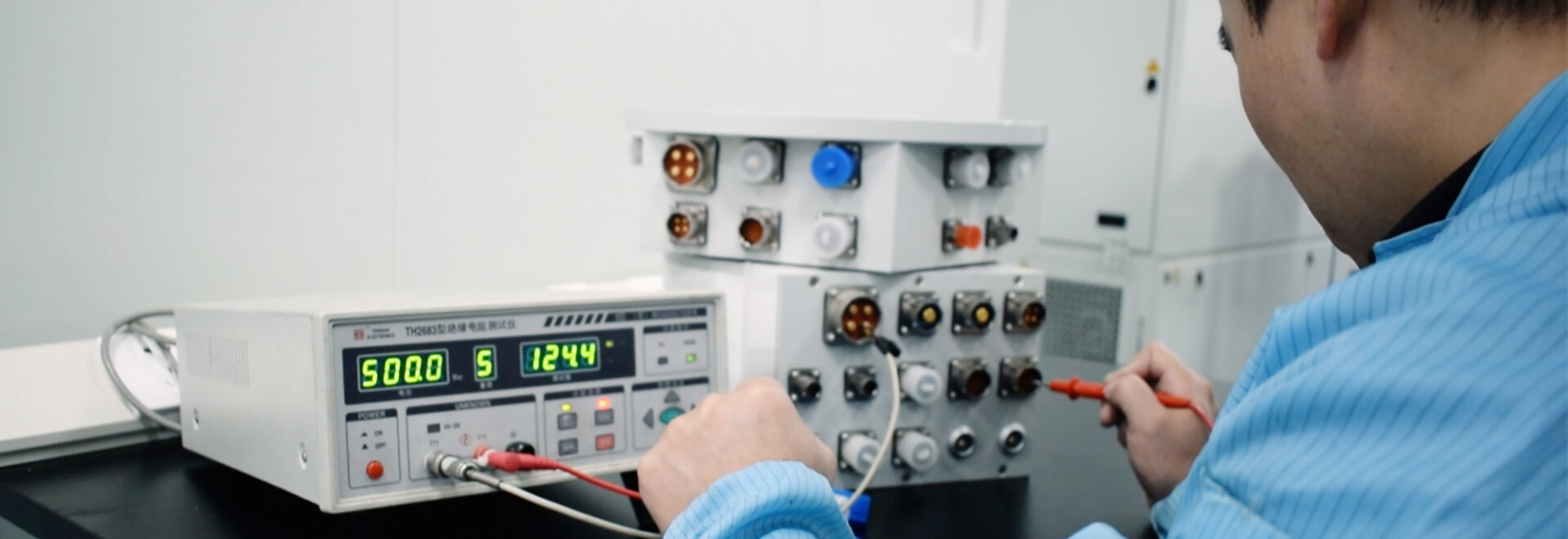
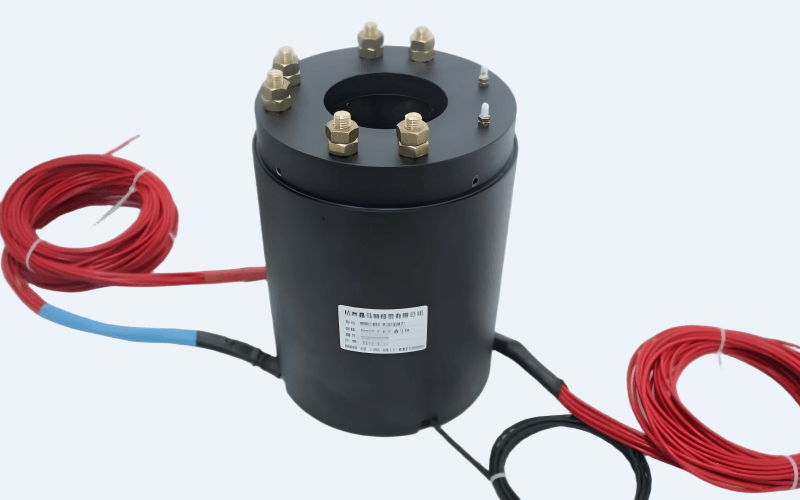
The defense landscape is shifting. As modern electronic warfare, satellite communication and unmanned systems become the backbone of national security, the demand for seamless power and data transmission across rotating interfaces has never been higher. At the heart of this hardware revolution lies the Military Slip Ring—a high-precision component engineered to survive where others fail.
Whether it is a turret on a main battle tank, a stabilized gimbal for a drone or a sophisticated phased-array radar system, the slip ring ensures that rotation doesn’t compromise the flow of information. This article explores the current state of the defense slip ring market, the technical hurdles of the modern battlefield and the strategic maneuvers of industry leaders.
The Global Landscape of Military Slip Ring Manufacturers
The market for defense-grade rotary joints is currently characterized by a dynamic interplay between established giants and agile tech startups. Driven by global technological competition and domestic defense mandates, this sector is seeing unprecedented levels of investment.
Dominance of the Industry Titans
Leading enterprises continue to hold the lion’s share of the market by leveraging decades of technical heritage and significant brand authority. These incumbents possess the specialized infrastructure required to meet stringent military standards (such as MIL-STD-810G), ensuring reliability under extreme shock, vibration and temperature fluctuations.
The Rise of Disruptive Emerging Forces
Simultaneously, “emerging forces” are gaining ground by focusing on high R&D intensity. These smaller, innovative firms are often more agile, pivoting quickly to address new niches like micro-slip rings for tactical UAVs or high-bandwidth fiber optic rotary joints (FORJs). Their ability to challenge traditional barriers to entry is reshaping the competitive hierarchy.
Key Insight
Success in this market is no longer just about longevity; it is about the “speed of response” to shifting tactical requirements.

Technical Innovation: The Core Driver of Defense Rotary Joints
As weapons systems become “smarter”, the components within them must evolve. Technical innovation is the primary engine driving market growth. It is no longer enough to just transmit power; modern slip rings must handle massive data throughput with zero interference.
Breakthroughs in Material Science
Advancements in material science are critical for enhancing product performance. We are seeing a transition toward gold-on-gold contact technology and advanced composite housings that offer superior corrosion resistance and high-temperature tolerance. These innovations allow slip rings to maintain a “long service life” even in the harshest maritime or desert environments.
Precision Engineering for High-Speed Transmission
The integration of intelligent control and precision manufacturing has pushed the boundaries of rotational speeds. High-speed data transmission—essential for real-time video feeds and sensor data—requires slip rings with minimal electrical noise and electromagnetic interference (EMI) shielding.
| Performance Metric | Traditional Slip Ring | Modern Military Slip Ring |
| Data Rate | Up to 100 Mbps | Up to 10+ Gbps (Fiber Hybrid) |
| Operating Temp | -20°C to +60°C | -55°C to +125°C |
| Protection Rating | IP54 | IP68 / Hermetically Sealed |
Summary
By building “technical barriers” through R&D, companies can secure their position against low-cost competitors.
Customization as a Competitive Moat in Specialized Defense Hardware
Military equipment is rarely “one size fits all”. From the diverse needs of naval sonar systems to the compact requirements of satellite communication terminals, customization has become the industry standard.
Meeting Diverse Equipment Requirements
Different platforms demand unique interfaces, dimensions and performance envelopes. A slip ring for a high-altitude surveillance drone has vastly different weight and atmospheric pressure constraints compared to one used in a heavy-duty armored vehicle.
Enhancing Customer Stickiness through Tailored Solutions
By providing “personalized solutions”, manufacturers can entrench themselves within the supply chain of a specific defense program. This customization creates a deep level of integration between the component supplier and the OEM, making it difficult for competitors to displace them.
Expert Commentary
The shift toward modular design allows engineers to “mix and match” power, signal and fluid channels within a single rotary unit, drastically reducing the footprint on cramped military platforms.
Market Expansion and the International Competitive Arena
The defense slip ring industry is no longer localized. As military spending increases globally, firms are looking beyond their borders to capture new market shares.
Navigating International Standards and Regulations
Expanding into the global market requires more than just a good product. Companies must navigate a complex web of international standards and export regulations. Ensuring compliance with global certifications is a prerequisite for participating in international defense tenders.
Strategic Partnerships and M&A Activity
To combat cost pressures and accelerate growth, many firms are turning to “industry chain integration”. This involves collaboration between upstream material suppliers and downstream system integrators to share resources and reduce production costs. Mergers and acquisitions (M&A) are also prevalent, particularly in high-growth areas like the Beidou satellite application industry and underwater acoustic technology.
Conclusion of Section
Internationalization is the next frontier, requiring a blend of technological prowess and savvy brand positioning.
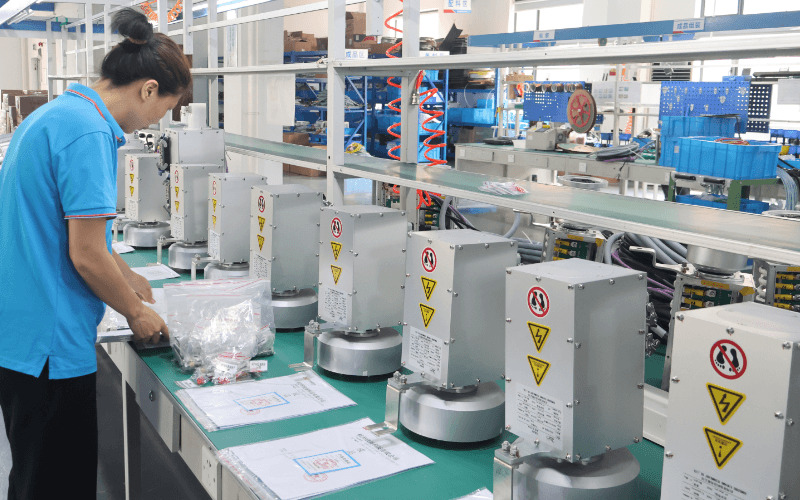
Strategic Blueprints for Future-Proofing Defense Enterprises
To survive in this high-stakes environment, firms must adopt a multi-faceted strategy that combines innovation, market expansion and brand building.
Investment in R&D
- Companies should focus on “frontier technologies,” such as underwater acoustic equipment and satellite navigation, to meet the needs of future “underwater capability systems”.
Brand Authority
- Building trust is paramount. Participating in authoritative industry certifications, publishing technical white papers and hosting technical exchange meetings can significantly enhance a brand’s reputation.
Customer-Centric Service
- Establishing a robust service system ensures high customer satisfaction and loyalty, creating a “word-of-mouth effect” that is invaluable in the defense sector.
FAQ: Navigating the Military Slip Ring Industry
- What are the main challenges in manufacturing military-grade slip rings?
- The primary challenges include achieving ultra-low contact resistance, ensuring EMI/EMC compliance and maintaining structural integrity under extreme environmental stress like salt spray and high G-forces.
- How is “Industry Chain Integration” helping companies?
- It allows for resource sharing and complementary advantages between upstream and downstream partners, which helps in lowering production costs and accelerating the time-to-market for new innovations.
- Why is customization so important in the defense market?
- Because military platforms (tanks, ships, aircraft) have highly specific and often proprietary dimensions and operational requirements that off-the-shelf components cannot meet.
- What role does satellite navigation play in this sector?
- As industries like Beidou satellite applications grow, there is a surge in demand for high-precision rotary joints in satellite communication (SATCOM) terminals and tracking systems.
Final Summary
The military slip ring market is at a crossroads of tradition and transformation. While the giants of the industry rely on their deep technical foundations, the “emerging forces” are pushing the boundaries of what is possible through aggressive R&D and market agility. As we move toward more integrated, high-speed and autonomous defense systems, the ability to deliver customized, high-performance rotary solutions will be the ultimate differentiator.
Is your hardware ready for the next generation of defense requirements?
[Explore our slip ring solutions or request a custom technical consultation today.]
See What We Can Do